
EV charging should be considered from the first design brief, not added after parking areas and electrical systems are already fixed. For UAE real estate developments, the right mix of AC and DC charging can support residents, employees, visitors and fleet users while helping a property remain practical as EV use grows.
At EVTRIX, we work with project teams to align charging equipment with the way a site will actually operate. That means considering dwell time, parking patterns, available power and plans for future expansion before charger quantities and locations are confirmed.
Build EV Readiness Into Every New Development
New residential, retail, hospitality, education and commercial projects can benefit from EV-ready parking design. Charging points are becoming part of the wider visitor and tenant experience, much like well-planned access, lighting and parking flow.
Early planning gives developers more control over the layout and avoids disruptive changes once a site is operational. We recommend reviewing charging needs alongside the wider electrical and parking design, including:
-
Parking bay locations and vehicle circulation
-
Electrical capacity and distribution routes
-
Cable pathways from switch rooms to charging areas
-
Space for future chargers, even where units are not installed immediately
-
Clear locations for shared, guest and dedicated charging bays
A commercial charging station in the UAE should reflect how people use the property. A resident may park overnight, while a mall visitor may only stay briefly. Those different habits should guide the charging strategy from the outset.
Match Your Commercial EV Charger to Daily Dwell Times
AC charging is well suited to places where vehicles remain parked for longer periods. Apartment buildings, offices, hotels, schools, universities and employee car parks are all examples where drivers may have time to charge while they work, study, stay or rest.
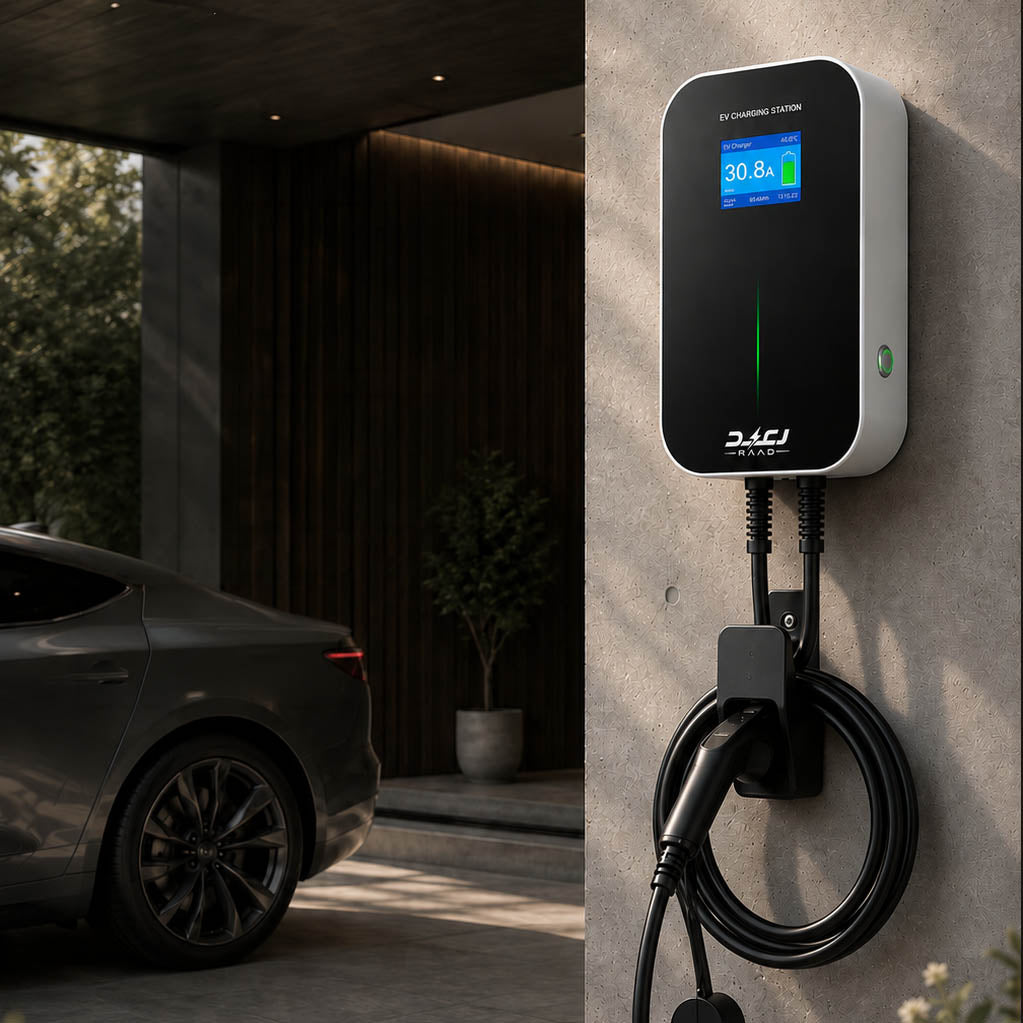
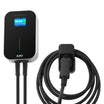
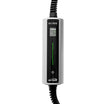
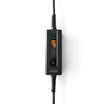
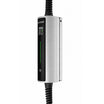
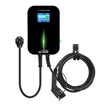
Type 2 AC chargers are commonly planned in 7 kW, 11 kW and 22 kW configurations, and our RAAD range is available in all three. Each option can suit a different parking pattern and electrical setup. A 7 kW charger can be a sensible choice for long-stay resident or employee parking. An 11 kW charger may suit shared parking areas where regular users need a useful charge during the day. A 22 kW charger can be considered where vehicles have shorter stays and the site's electrical capacity supports that approach.
Higher power is not automatically the right answer for every bay. We help teams look at how long cars are likely to remain parked, how many spaces need charging access and how the site's available electrical capacity can be managed. This creates a more balanced design than placing the highest-rated charger in every location.
Specify Type 2 Chargers for Flexible Parking
Type 2 AC charging gives new developments a flexible foundation. Dedicated resident bays, staff parking, guest spaces and shared facilities can each have different access settings and installation approaches.
Some projects may install chargers in priority bays from day one, while preparing extra bays for later connection. This staged approach can support future growth without requiring the same level of construction work again across the car park.
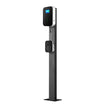
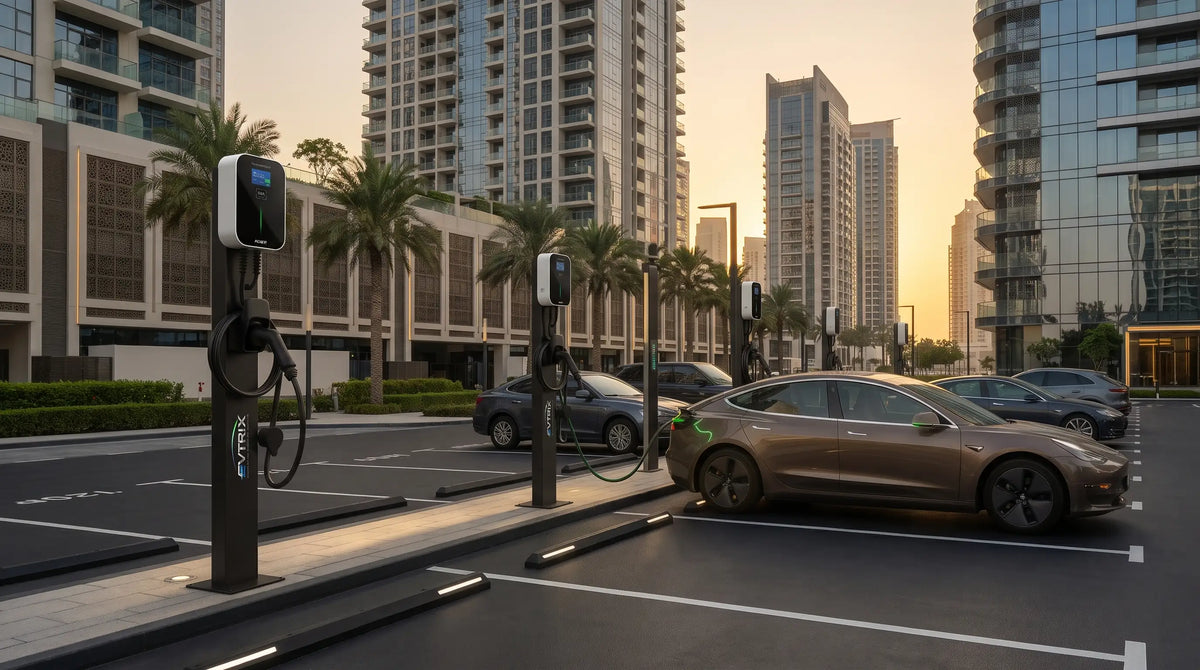
Placement matters as much as charger selection. Wall-mounted units can work well where suitable walls are close to parking bays, while pedestal-mounted chargers may be a better fit for open parking areas. We also recommend allowing for practical details such as cable management, clear sightlines, marked bays and suitable access control for different user groups.
For UAE conditions, our 7/11/22 kW RAAD chargers are built with:
-
IP66 ingress protection and IK10 impact resistance for outdoor and car park environments
-
Operation in temperatures up to +55°C
-
An LCD display, with App and RFID versions available for different access needs
-
Advanced safety features
-
ECAS compliance for certified models
Add an OCPP EV Charger in Dubai for Long-Term Control
OCPP is a communication framework that can help compatible chargers connect with suitable charging management platforms. For property operators, this can create a clearer view of charger activity and provide more flexibility as the installation develops. Selected RAAD models support OCPP 1.6.
During specification, we encourage developers, MEP consultants and procurement teams to consider whether OCPP is appropriate for the site. It can be especially useful where multiple chargers are planned, where different user groups need different access settings, or where the property may expand its charging provision over time.
Operational features may include:
-
Visibility of charger status and usage
-
User access settings for residents, staff or visitors
-
Load management options across multiple chargers
-
Central management for larger parking facilities
-
A more adaptable route for future charger additions
Choosing compatible equipment early can make later decisions simpler, particularly for mixed-use assets with changing parking demands.
Place DC Fast Charging in the UAE Where It Adds Value
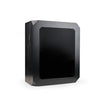
DC fast charging is generally better suited to high-turnover locations where drivers want to charge during shorter visits. Malls, large retail destinations, hotels, stadiums, commercial hubs, fleet facilities and public parking areas may all have a reason to consider DC charging.
Unlike AC charging, DC fast charging requires higher power and a careful review of the site's electrical infrastructure before equipment is specified. Charger location, electrical supply, parking circulation and expected demand should all be assessed together. Installing a fast charger without considering how vehicles enter, queue and leave the space can create unnecessary pressure in busy parking areas.
A well-planned commercial charging station in the UAE can combine AC and DC charging rather than treating them as competing options. AC chargers can support staff, residents and long-stay guests, while DC fast chargers can serve shoppers, visitors, fleet drivers and other short-stay users. The result is a charging setup that reflects the real rhythm of the property.
Move From Design Brief to Charging Deployment
Clear objectives should come before equipment selection. We recommend defining who will charge, how long they will park, how many bays are needed initially, who can access them and how the site may grow over time. Developers, architects, MEP consultants, contractors, procurement teams and EV charging specialists should work from the same parking and electrical plan.
Effective charging plans match equipment to the site, leave room for expansion and make daily use simple for every driver. Considering parking behaviour, electrical capacity and future demand together helps developments create practical charging infrastructure that can adapt as EV use grows.
Plan Charging Around Your Development's Needs
EVTRIX can help you select a commercial charging station in the UAE that suits your property's parking layout, usage patterns and electrical capacity. Our team works with developers to create clear, practical charging solutions for new and existing sites. Contact us to discuss your project requirements and next steps.