

Make Home Charging a More Informed Choice
Home charging can make daily EV use feel simpler. When your vehicle is parked at home after work, overnight or between regular journeys, charging can fit naturally into your routine rather than becoming another stop to plan.
At EVTRIX, we believe the best home charging choice starts with the right questions. October is a sensible time to review your setup after the UAE summer and before busier year-end travel plans. In this guide, we explain what to consider when selecting a charger, what affects suitability and how to prepare for a professional installation with greater confidence.
What Product Information Can Mean for Home Chargers
ECAS (Emirates Conformity Assessment Scheme) is a UAE product conformity assessment scheme administered by the Ministry of Industry and Advanced Technology (MoIAT). An ECAS Certificate of Conformity confirms that a certified product meets applicable UAE technical requirements and standards.
Product information can help you understand whether a charger is intended for your vehicle, home and typical charging routine. In simple terms, this may include the model details, technical specifications and supporting documents available for the equipment. For an EV charger, this is one part of the information you consider before choosing equipment for your home.
We recommend reviewing current product documentation before making a decision. Product details can vary, and the right choice may depend on the charger model, its intended use and the information available at the time of purchase or installation.
It is also important to separate three related, but different, points:
- Product information for the charger itself
- Installation considerations for your property’s electrical system
- Building, parking and electrical supply details that may affect the installation
A charger’s product information can support a more informed purchase decision, but it does not automatically confirm that every installation situation is suitable. Before moving ahead, ask for current documentation and consider the details of your home, parking area and electrical supply.
Why Product Information Matters at Home
A home charger is not simply an accessory that plugs into your vehicle. It becomes part of your everyday electrical setup, so the product’s specifications, supporting documents and installation plan all deserve careful attention.
When reviewing a charger, we encourage you to look beyond the wording alone. Ask which model is being supplied, what documents are available and whether the charger’s technical details suit your vehicle and property. This helps you make decisions based on clear information rather than assumptions.
Our role at EVTRIX is to help you understand the charger, cable, adapter and accessory options relevant to your setup. A specialist supplier can help make product details easier to compare, especially when you are deciding between different connector types, cable arrangements and charging features.
No two homes are exactly alike. The right charger for one vehicle and villa may not be right for another vehicle, apartment parking space or electrical supply. We recommend confirming the following before settling on a model:
- Your vehicle’s connector type and charging capability
- The electrical capacity available at your property
- Where your vehicle is usually parked
- The charging time you expect between journeys
- The documentation available for the selected charger
Choose the Right Charger for Your Daily Driving
Your daily mileage and normal parking routine should guide the conversation. If your vehicle is typically parked for several hours at a time, a charging arrangement that suits that window may be more useful than choosing equipment based only on the highest possible output.
Battery capacity also matters, as does the vehicle’s own ability to accept AC charging. We help customers review the practical fit between the vehicle, charger output and the home’s electrical capacity. Selecting a higher-output charger without checking the property’s supply first can lead to an unsuitable plan.
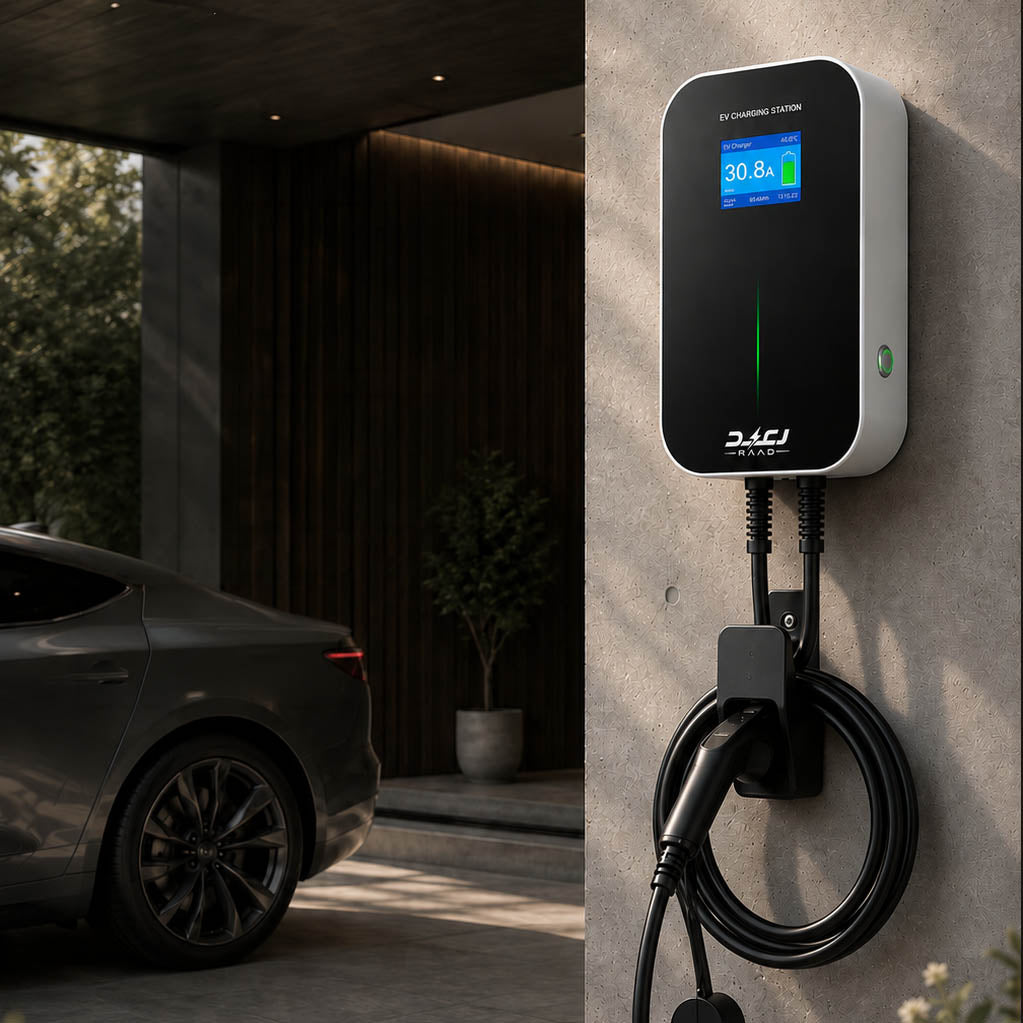
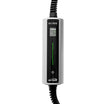
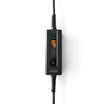
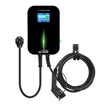
The charger style can make a difference in daily use as well. A tethered charger has a fixed cable attached, which can be convenient when you use the same parking space and vehicle connection regularly. A socketed charger allows you to use a separate cable, which may suit households with different needs or cable preferences.
Small details often have a big effect on convenience. Consider:
- Whether the cable will comfortably reach the vehicle charging port
- Where the cable can be stored when it is not in use
- Whether an adapter is genuinely suitable for the intended equipment
- If smart charging functions are appropriate for your setup
- How often more than one vehicle may need access to charging
We advise against assuming that an adapter or cable is universally compatible. Each item should be checked against the charger and vehicle specifications before use.
Plan a Practical Home Installation
A professional pre-installation assessment helps turn a charger choice into a workable home charging plan. This assessment should look at the electrical panel, the proposed cable route, the parking position and the preferred mounting location for the charger.
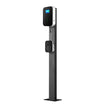
In UAE homes, placement deserves particular thought. Outdoor charging equipment may be exposed to sun, heat, dust and humidity, while an enclosed parking area may have different access and cable-routing needs. The goal is a location that is practical for regular use, while keeping the equipment and cable arrangement tidy and protected as appropriate.
Convenience matters every day. A charger mounted too far from the vehicle, or a cable route that crosses a walking path, can quickly become frustrating. We recommend planning around how you actually arrive, park and leave, not only where there is an empty wall.
Installation professionals can assess and complete the work based on the details of your property and selected equipment. Keep the relevant product information, installation records and user guidance together once the work is complete. These records can be useful whenever you need to review the setup, discuss maintenance or confirm details about your EV charger.
Prepare for a Home Charging Conversation
Before speaking with us, take a few minutes to note your vehicle model, usual parking position and typical driving routine. It also helps to identify where you would prefer the charger to sit, how far the charging port is from that point and whether your parking space is shared with other vehicles.
A clear home charging plan should bring together the charger, cable, accessories, electrical assessment and property details. Review current product documentation and installation needs before proceeding, so your final setup is based on the right information for your property.
Choose a Charger That Suits Your Home
Browse our range of ECAS-compliant EV charger options to compare features suited to your charging routine and property. At Evtrix, we help homeowners make informed choices with clear product information. If you would like guidance on selecting the right equipment, contact us for support from our team.