The right home EV charger starts with your car. Before choosing 7kW, 11kW or 22kW, check your vehicle’s maximum AC charging capability and charging connector. Match these details to the exact model, model year and market specification using the vehicle manufacturer’s official information.
A higher-power charger will not automatically charge your car faster.
Check Your Vehicle’s AC Charging Limit
Your vehicle’s onboard charger (OBC) converts AC electricity into DC electricity for the battery. Its capacity limits how much AC power your car can accept.
For example, a vehicle limited to 11kW AC cannot receive 22kW AC simply because it connects to a 22kW wall charger.
Check the vehicle’s supported phase configuration as well as its maximum AC power. The available supply and charging equipment also affect the rate you achieve.
7kW, 11kW or 22kW: Which Should You Choose?
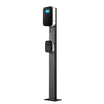
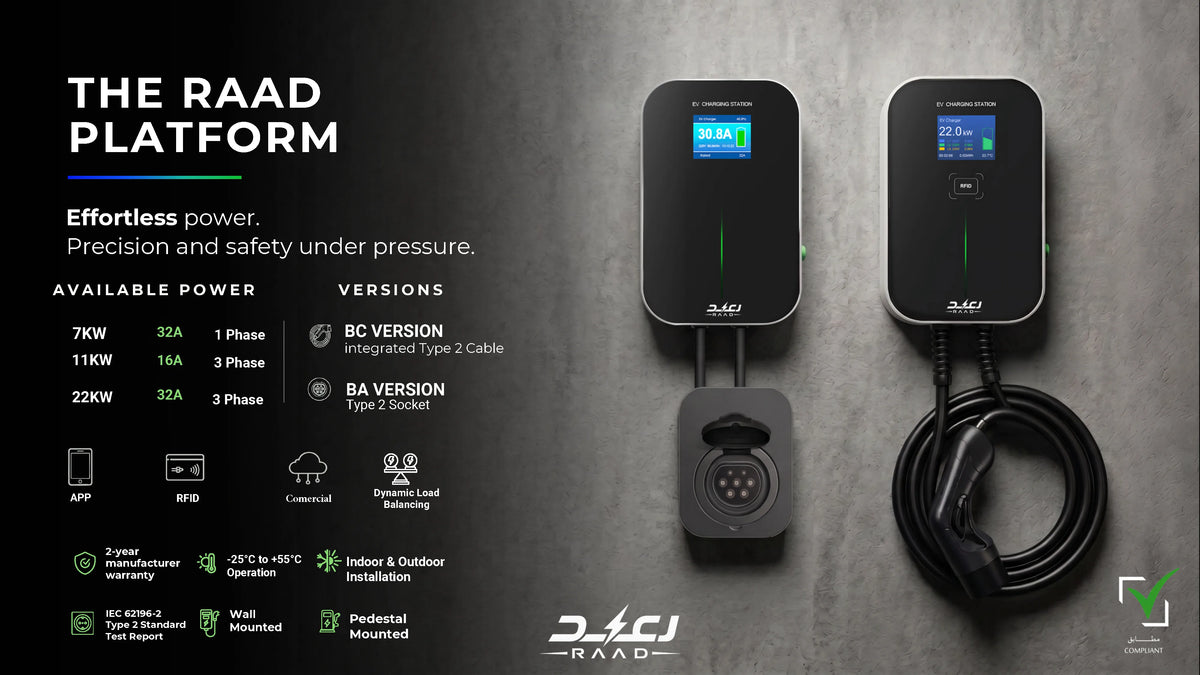
RAAD AC wall chargers are available in these configurations:
-
7kW — 32A, single-phase: Consider this when it matches your vehicle’s charging capability and everyday charging needs.
-
11kW — 16A, three-phase: Consider this for a vehicle that supports 11kW three-phase AC charging.
-
22kW — 32A, three-phase: Consider this when your vehicle supports 22kW AC and the property can support the selected configuration.
Think about how long your car normally stays parked and how much charge you need between journeys. Choose power you can use, rather than selecting the highest number alone.
A qualified installer should confirm the property’s electrical suitability before installation.
AC Charging Is Different from DC Fast Charging
Your vehicle may advertise a high DC fast-charging figure. That figure does not describe its home AC charging capability.
AC charging uses the vehicle’s onboard charger. DC charging converts electricity outside the vehicle and supplies DC power to the battery. Always check the AC specification when choosing a home wall charger.
Match the Connector and Cable
Confirm whether your vehicle uses a Type 2 or GB/T AC inlet. Connector fit alone does not establish complete compatibility.
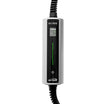
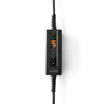
RAAD offers a fixed 5m Type 2 cable or a Type 2 socket, depending on the selected configuration.
For socket charging, EVTRIX Mode 3 cables include Type 2 to Type 2 and Type 2 to GB/T options in 5m and 7m lengths. Select the appropriate connection and enough cable length to comfortably reach your vehicle’s charging port.
Check Features and Product Protection
Choose APP, RFID or OCPP according to the features documented for the selected RAAD configuration.
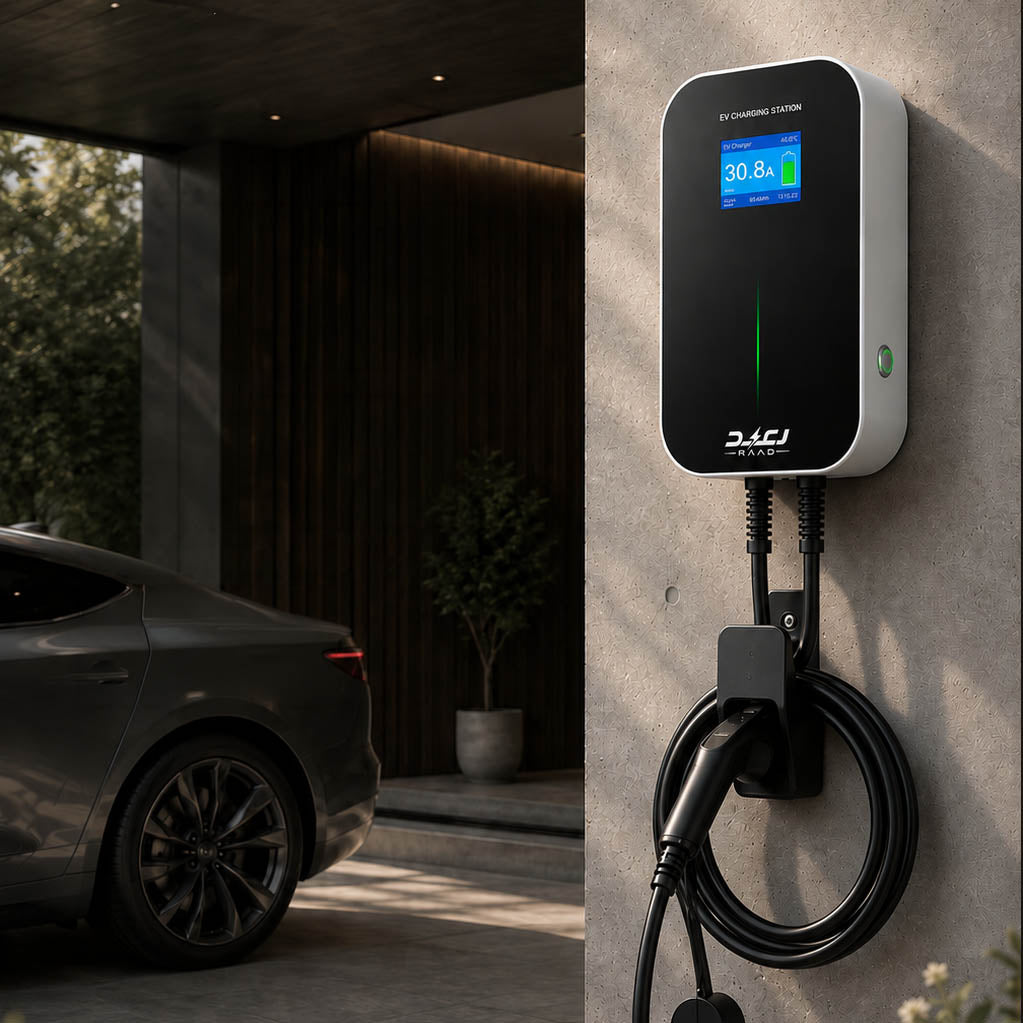
RAAD specifications include a 3.5-inch LCD, IP66, IK10, an operating-temperature range of −25°C to +55°C, and Type A + 6mA DC protection. RAAD is ECAS compliant.
These specifications help you compare products alongside charging power, connector choice and everyday convenience.
Find the Right RAAD Configuration
Start with your vehicle’s maximum AC capability, confirm its connector, then select the suitable power and cable configuration.
Contact EVTRIX with your vehicle model, model year and market specification for help choosing a compatible home EV charging solution in the UAE.
Still unsure which power level fits your setup? Browse our EV chargers or get in touch and we will help you choose.